Mould Prevention Northern Beaches
Mould needs moisture. We find where it's coming from and stop it, so the mould doesn't return.
Mould prevention on the Northern Beaches comes down to one thing: taking away the moisture mould needs. Mould spores are everywhere, inside and out. They only grow where a surface stays damp for long enough. Clean the mould and leave the damp, and it’s back within weeks. Fix the damp, and it has nowhere to grow.
We don’t clean or remove mould. We find out what’s keeping the surface wet and fix that.
Where Northern Beaches mould comes from
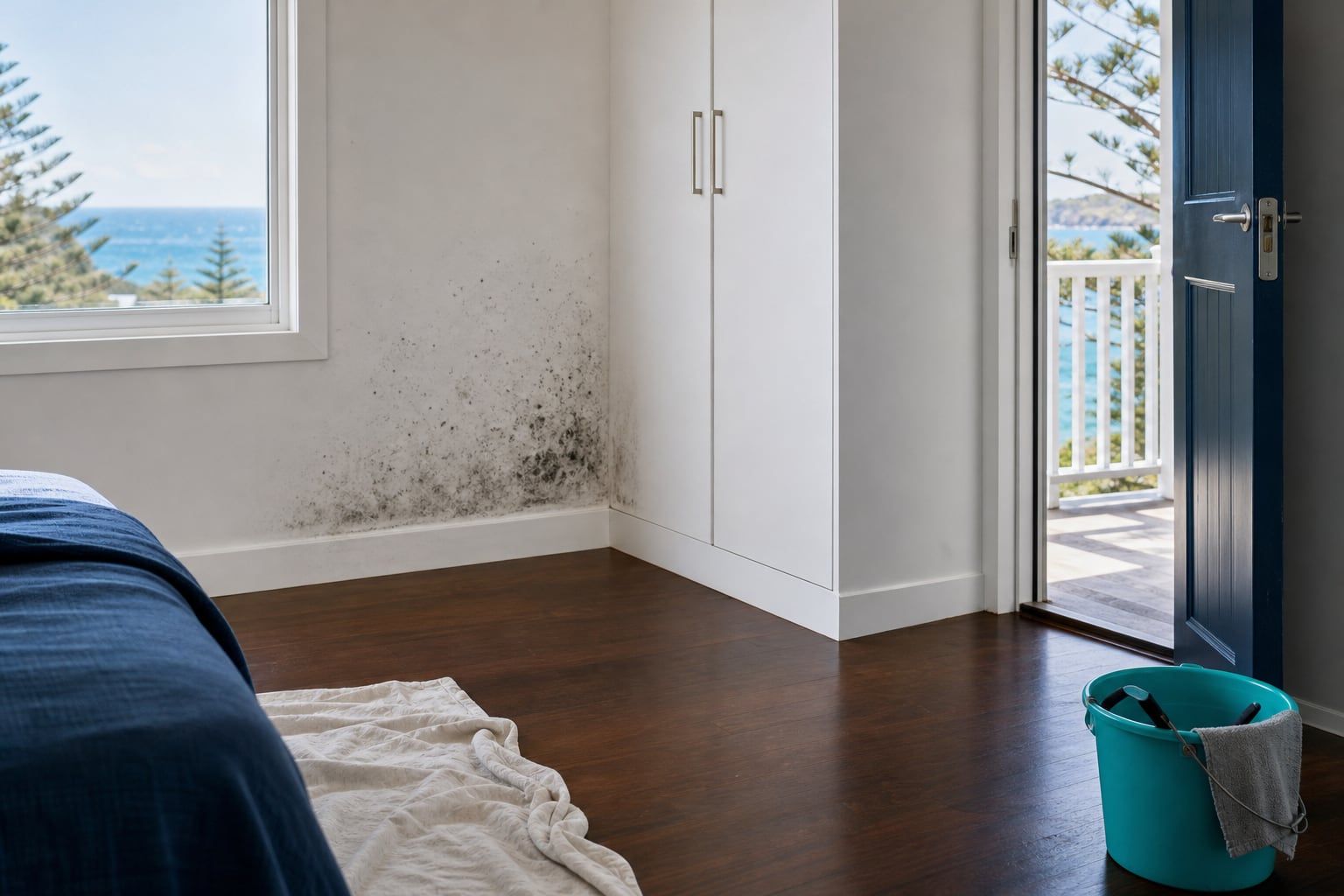
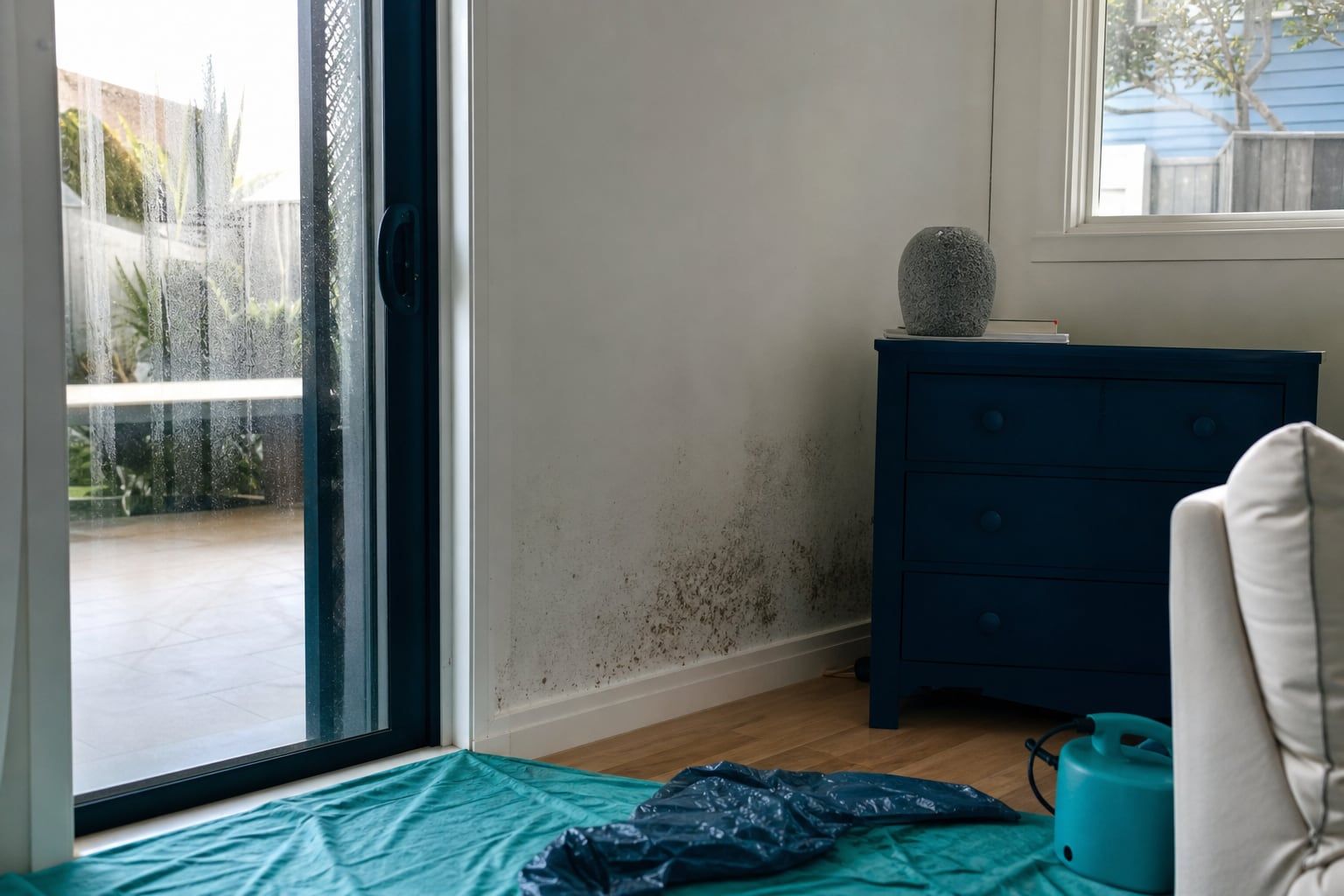
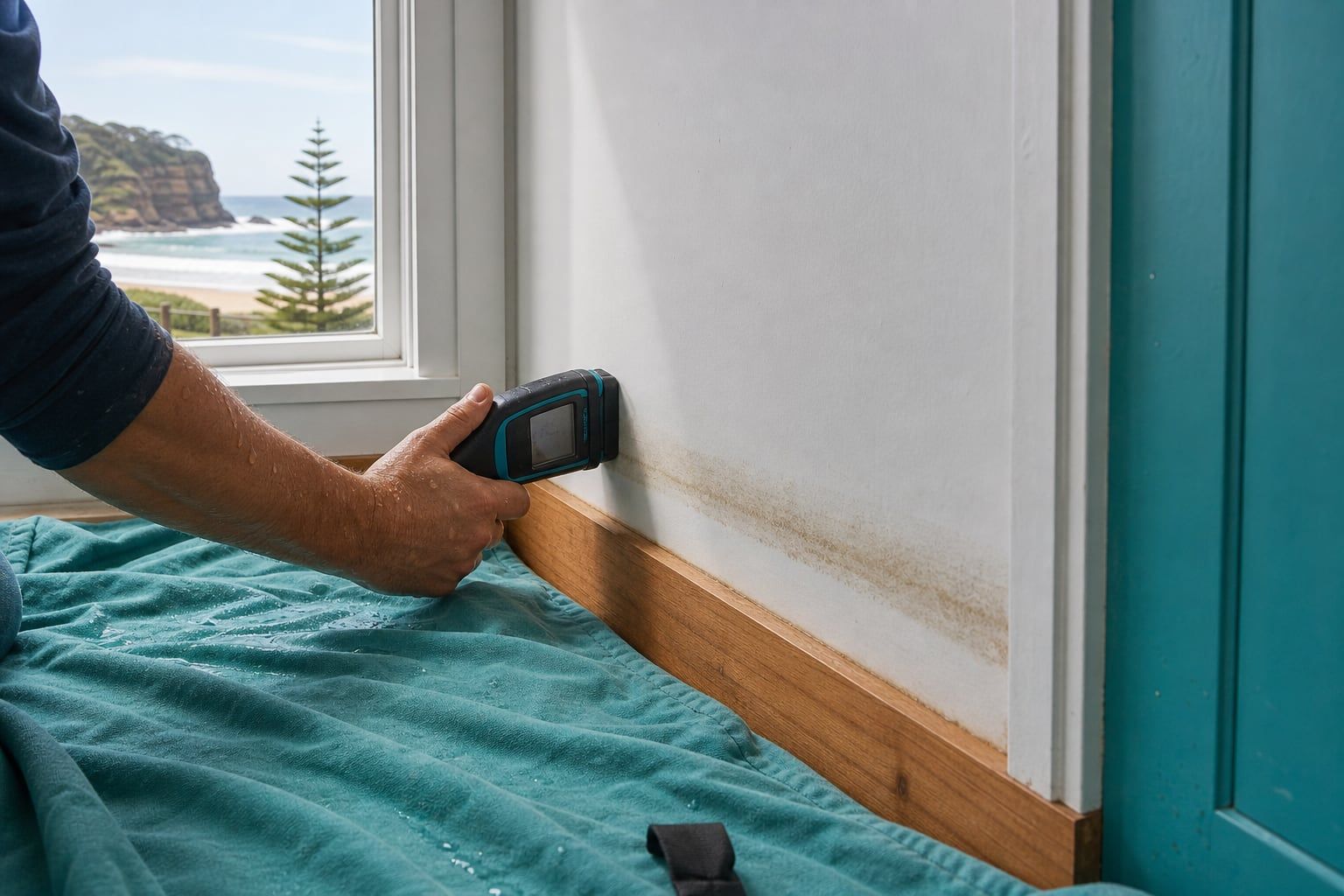
Damp walls. Mould low on external walls, behind beds and wardrobes, often comes with paint lifting along the skirting. The wall is damp from below, from the slope behind it, or from salt in the render drawing moisture out of the coastal air.
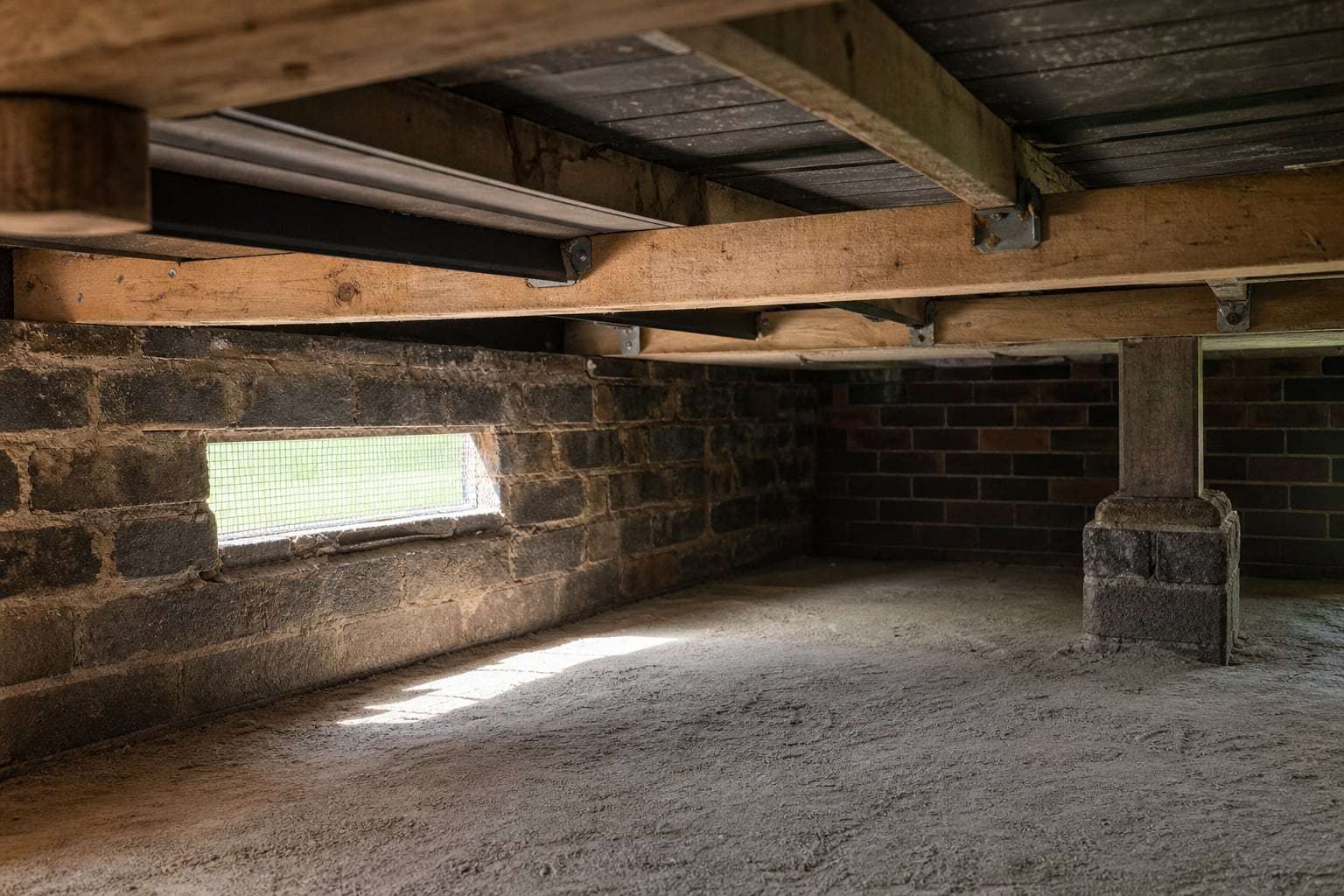
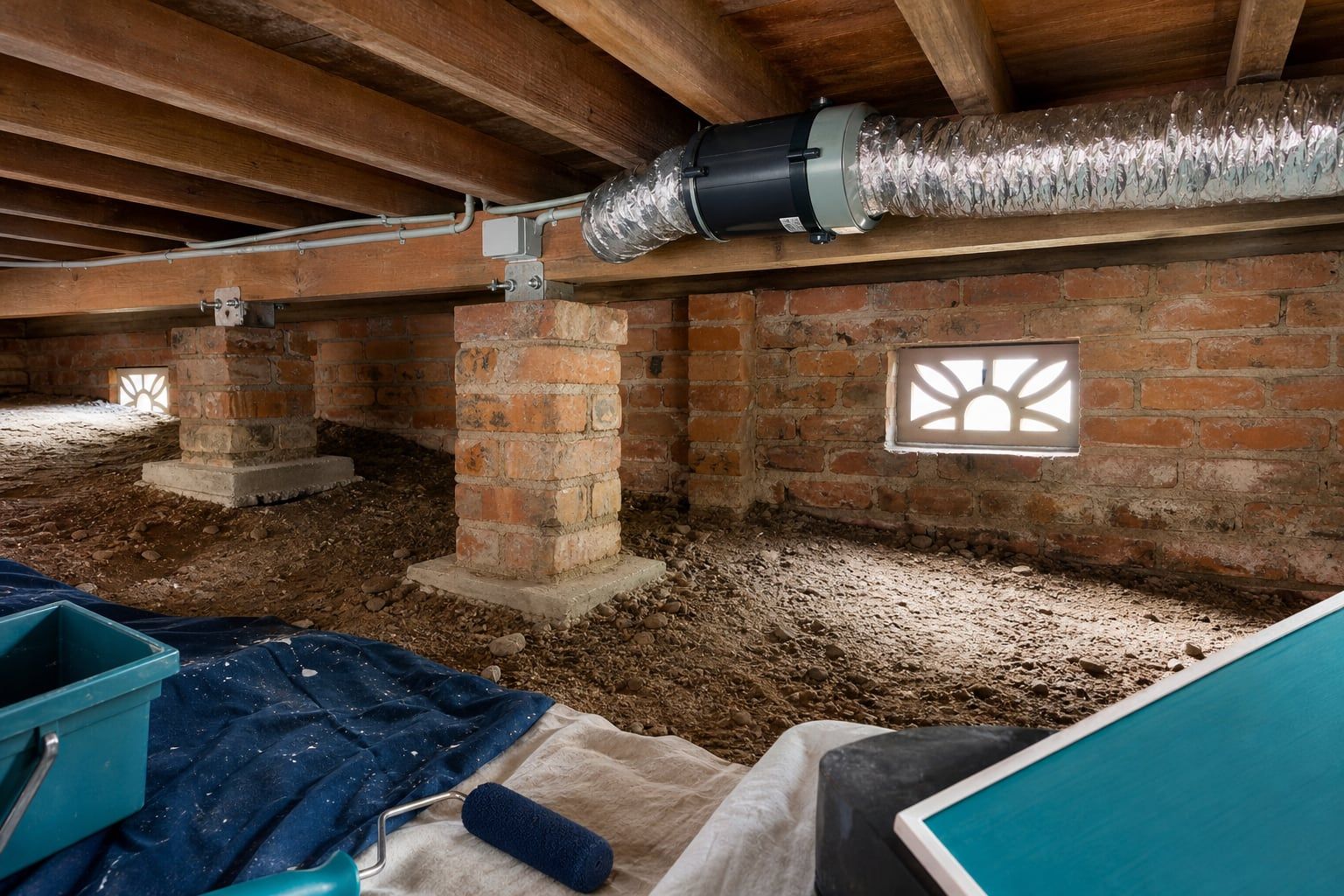
Still subfloors. Many beach cottages and houses on piers have crawl spaces with blocked vents and damp sandy soil. Damp air rises through the floor, and mould appears on the backs of cupboards and in the timber underneath. Our guide on damp under beach cottages explains why.
Lower floors cut into the hill. Rumpus rooms and bedrooms dug into the slope get water through the wall after rain, and they rarely get sun. Mould there is almost always about the hill, not the room.
Condensation. Bathrooms without a working exhaust fan, laundries and cold bedrooms can grow mould from moisture in the air alone. That’s often a ventilation fix rather than a wall fix.
How we stop it
We start with an inspection: readings on the walls and floors around the mould, a look at the slope, gutters, downpipes and drainage, and a check under the floor. Our page on damp inspection explains what’s involved.
Then we fix the cause:
- Subfloor ventilation for crawl spaces that can’t breathe: cleared and added vents, and quiet fans where needed.
- Drainage and waterproof tanking for walls with the hill or paving against them.
- A new damp course where the readings show true rising damp.
- Simple fixes where they’re enough: downpipes connected, garden beds lowered, an exhaust fan ducted outside.
Cleaning the mould
Once the moisture is under control, existing mould can be cleaned and stays gone. For heavy growth or large areas, use a cleaner or mould remediation specialist. NSW Health’s mould fact sheet has general advice on cleaning safely. If damp plaster has broken down, our salt-damaged plaster repair replaces it once the wall is drying.
What you can do in the meantime
Open windows on dry days, run bathroom and kitchen exhaust fans, keep furniture a little away from external walls, and don’t dry clothes indoors where you can avoid it. These help with condensation, but they won’t stop mould that’s fed by a damp wall or subfloor.
Why coastal homes see more of it
Air near the beaches is humid much of the year, and onshore weather pushes that moisture indoors. Salt in exposed render also pulls water out of the air. On their own these rarely cause heavy mould, but combined with a damp wall, a still subfloor or a room with no exhaust, they tip the balance. That’s why the fix is usually about the house, not the weather.
Get it checked
If mould keeps coming back in the same place, there’s a reason. Book an inspection and we’ll find it. For the wider picture, see our overview of Northern Beaches rising damp.
Updated
What good mould prevention looks like
Mould Prevention across the Northern Beaches
Mould Prevention in the Northern Beaches: step by step
- Find the moistureReadings on the walls and floors near the mould, plus checks of the slope, drainage and subfloor.
- Name the causeRising damp, hillside seepage, a still subfloor, a leak or condensation: each needs a different fix.
- Fix itDrainage, ventilation, a damp course or tanking, matched to what the readings showed.
- Keep it dryWe explain what to watch for so the area stays dry once the work is done.
Mould Prevention questions in the Northern Beaches
Something else on your mind? Call 02 9158 9925 and ask.
Do you remove mould?
No. We fix the damp, airflow and drainage that let mould grow. For cleaning or removing existing mould, use a cleaner or mould remediation specialist; once the cause is fixed, their work lasts.
Why does mould keep coming back after I clean it?
Because the surface is still damp. Cleaning removes the growth you can see, but if the wall, floor or air stays wet, mould grows back. Fixing the moisture is what stops it.
Is mould a health risk?
NSW Health says damp and mould in homes can affect breathing and make asthma and allergies worse. If you're unwell, see your doctor; for the house, the advice is to reduce dampness and improve ventilation.