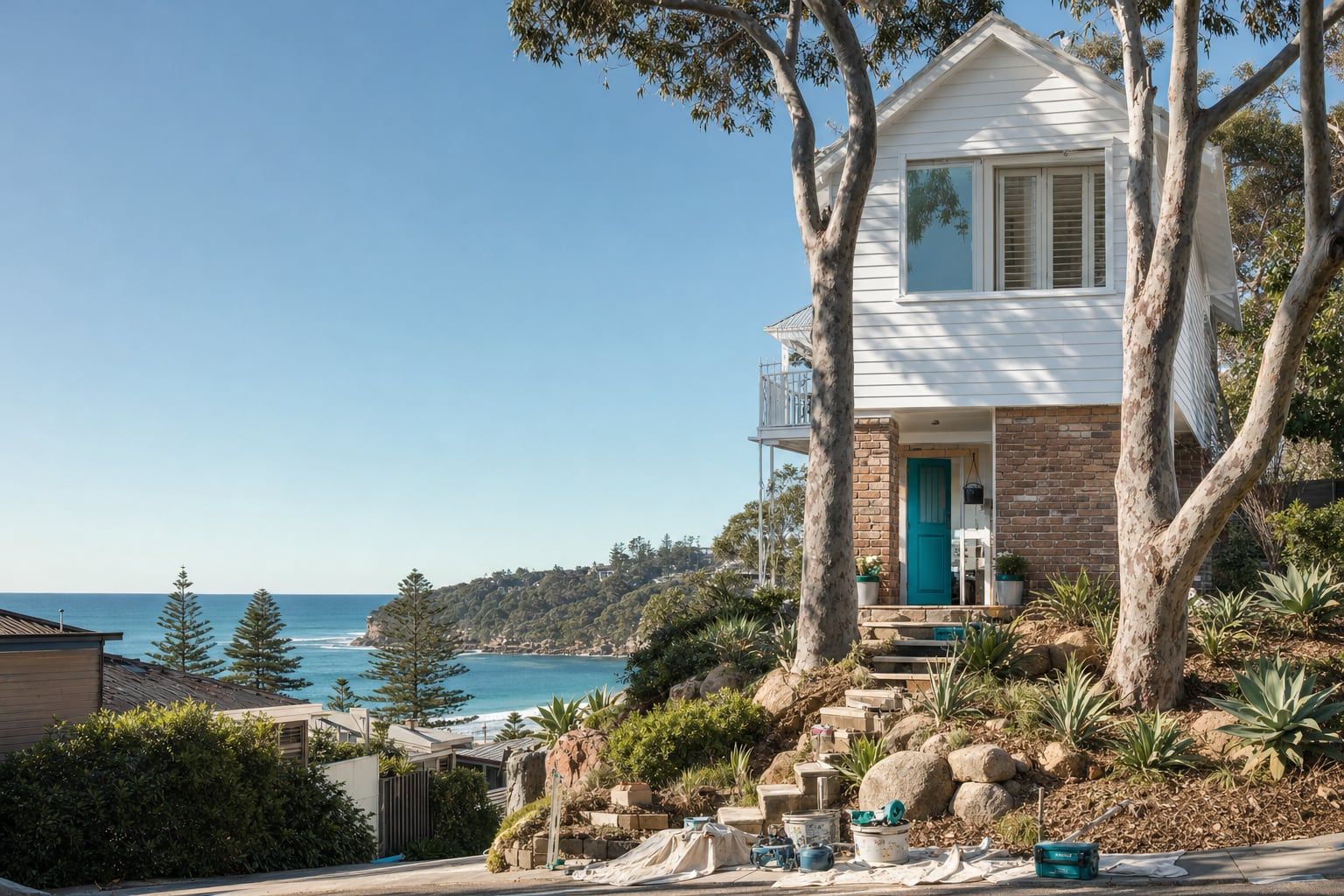
Damp Inspection Northern Beaches
Find out whether it's the ground, the hill or the sea air before you pay for any treatment.
A damp inspection is the cheapest step in fixing a damp wall on the Northern Beaches, and the one most often skipped. The peninsula wets houses in three different ways: water rising from the wet ground around the lagoons, water seeping through the hillside behind split-level homes, and salt from the ocean settling into render and brick. They look alike on the wall. They need completely different fixes.
So before anyone quotes you for a damp course, it’s worth knowing which one you have.
What we check on a Northern Beaches inspection
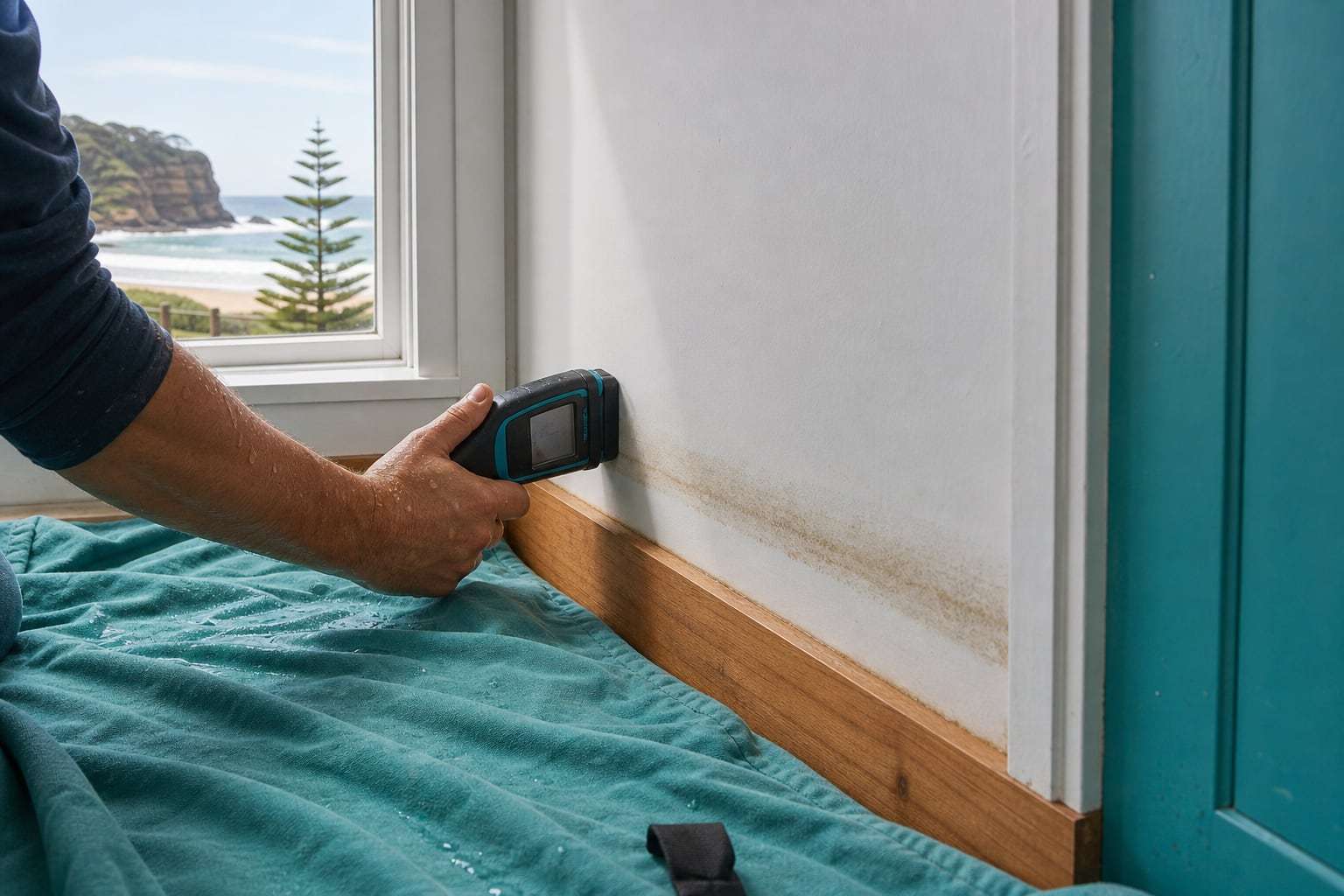
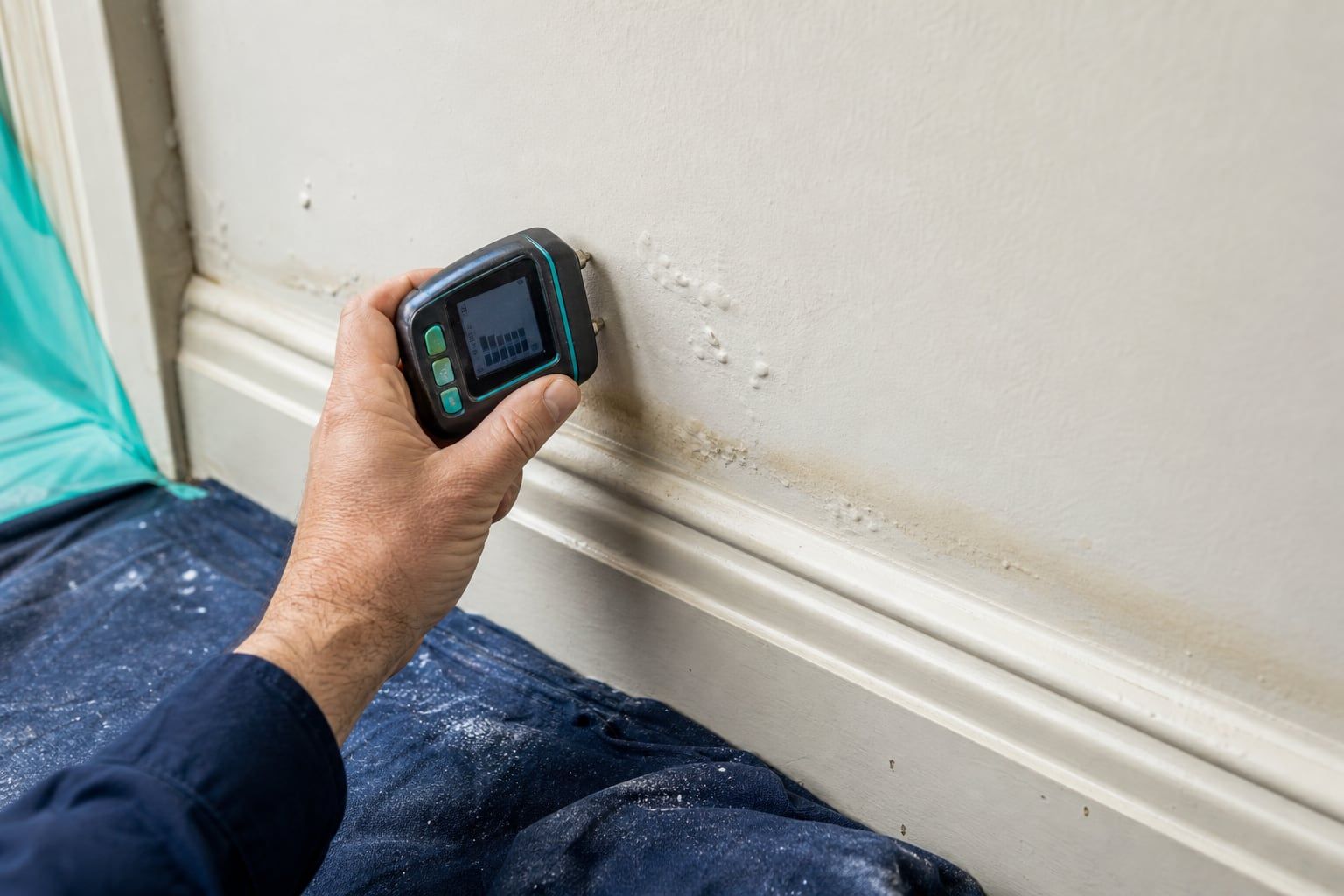
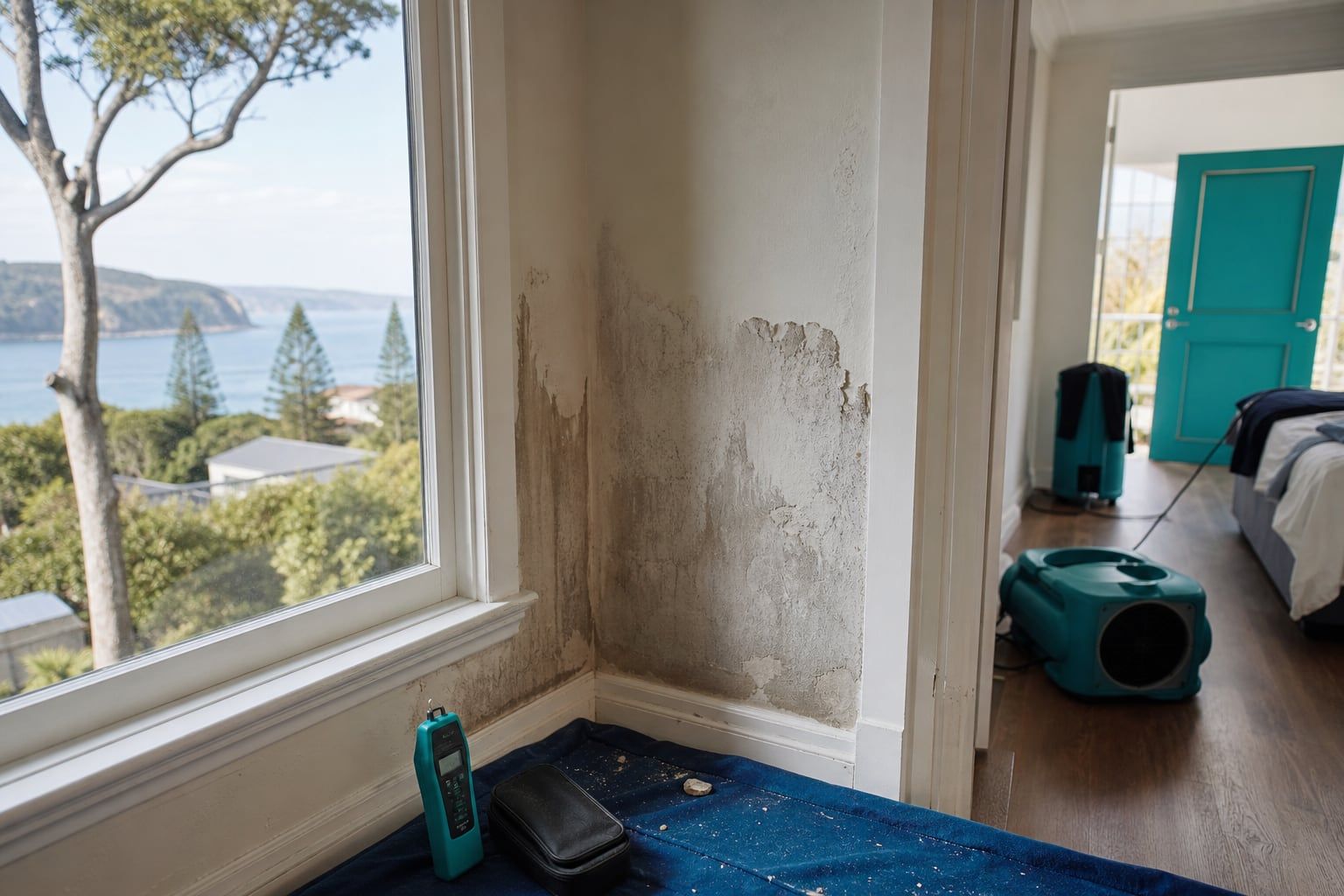
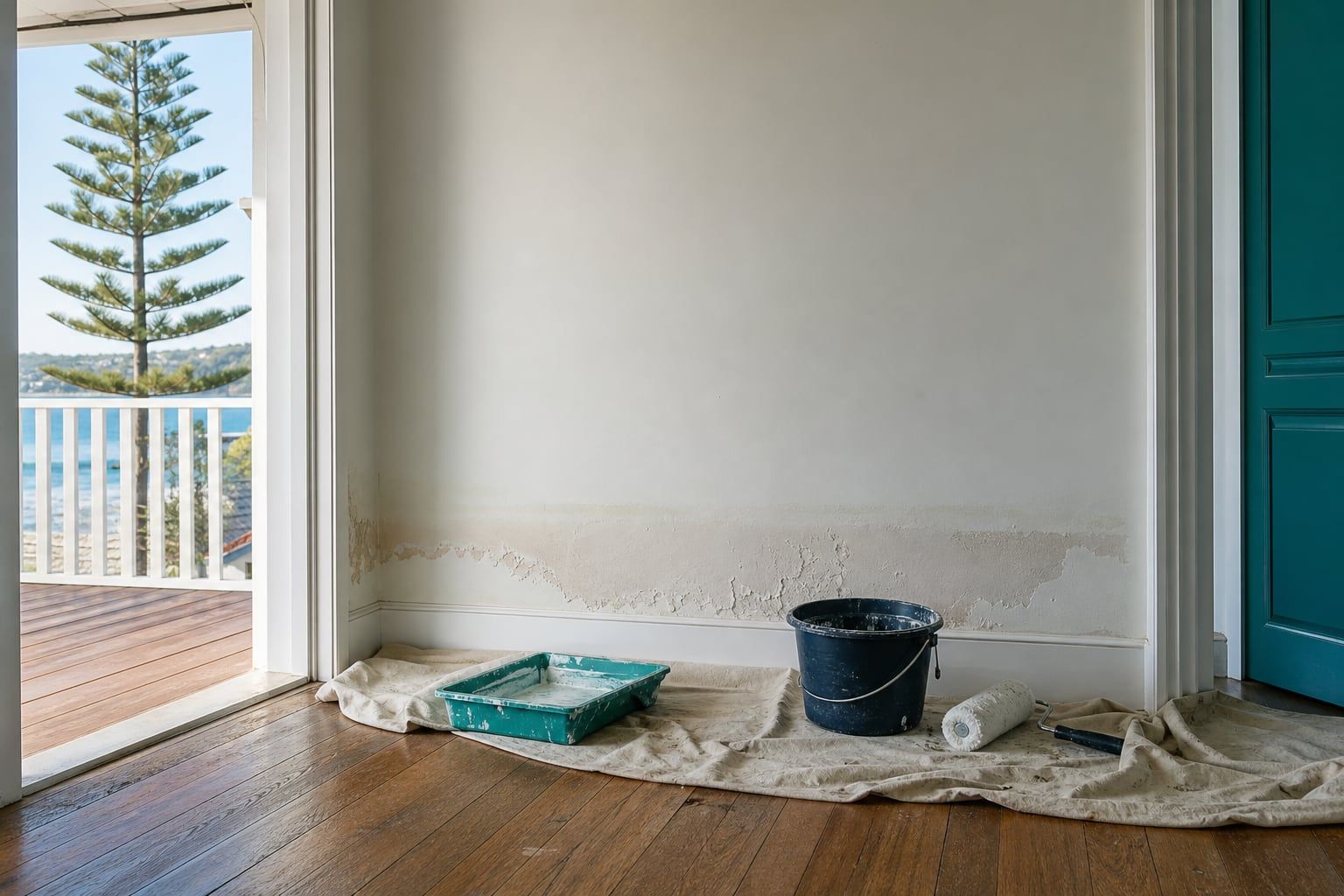
Readings in a pattern. One reading tells you very little. We measure each affected wall low and higher up, and along its length, to see the shape of the wet area. Rising damp is wettest at the base and fades out below about a metre. Hillside seepage is heaviest on the uphill wall and changes with rain. Salt air damage often sits high on walls facing the ocean.
Surface versus depth. Moisture meters read salt as water. On a coastal wall loaded with sea salt, the surface can read very wet while the brick behind is fairly dry. We take readings at depth as well, so salt doesn’t get mistaken for rising damp.
A salt test. Testing the plaster tells us whether salt is present and roughly how long water has been moving through the wall.
The slope and drainage. We walk the block. Where does rain go? Is soil or paving built up above the damp course? Is a retaining wall holding wet ground against the house? Do the downpipes reach a drain?
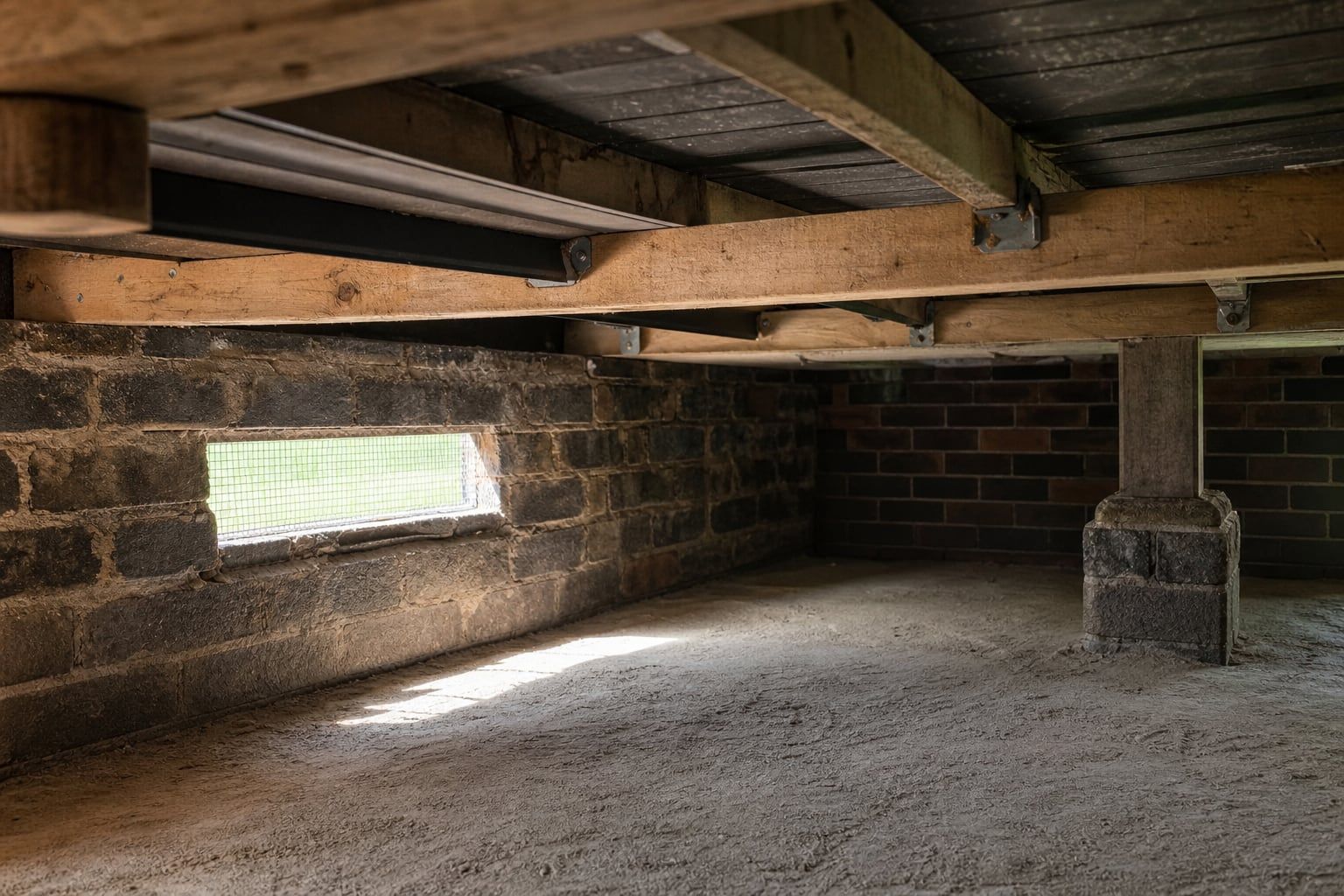
The subfloor. Where there’s a timber floor, we look underneath for damp soil, blocked vents and wet timber.
What you get
You get a plain explanation on the day: what’s wetting the walls, which walls are affected and what would fix it. If work is needed, a written quote follows, listing each wall, the method and the price, including the plaster repair.
Sometimes the answer is cheap. A downpipe that empties against the wall, a garden bed over the damp course or a blocked subfloor vent can be fixed without any wall treatment at all. We’ll tell you when that’s the case.
When to book one
- Paint is lifting or bubbling along the bottom of the walls.
- A downstairs room smells musty or feels damp, especially after rain.
- Mould keeps coming back in the same spot.
- Render outside is powdery or falling away.
- You’ve had damp treated before and it hasn’t worked.
- You’re buying an older beach cottage or hillside home and want to know what you’re taking on.
Mould and damp
If you’re seeing mould, the inspection is still the right starting point. Mould grows where something is keeping a surface damp. We find that source, whether it’s a wet wall, a still subfloor or a room with nowhere for moisture to go. Our page on mould prevention explains how we stop it coming back. We don’t clean or remove mould ourselves.
What happens next
If the readings show true rising damp, the fix is a new barrier, as described on our rising damp treatment page. If the problem is the hill, the answer is usually drainage or tanking; our guide to damp in hillside homes explains why. If it’s salt from the sea, our guide on salt air and damp walls covers what helps.
Not sure what you’re looking at yet? The signs of rising damp page walks through each symptom.
Updated
What good damp inspection looks like
Damp Inspection across the Northern Beaches
Damp Inspection in the Northern Beaches: step by step
- Book a timeSend the form with your address and a photo of the damp area if you have one.
- Measure insideReadings low and high on each affected wall, at the surface and deeper, plus a salt test on the plaster.
- Look outside and underGround and paving levels, the slope above the house, downpipes, weep holes and the subfloor.
- Plain answerWe explain the cause on the day and follow up with a written quote if work is needed.
Damp Inspection questions in the Northern Beaches
Something else on your mind? Call 02 9158 9925 and ask.
Is the inspection really free?
Yes. There's no charge for the visit or the readings, and no obligation to go ahead with any work.
Can you tell me if it's mould or damp?
We find the damp that mould needs to grow. If there's mould, we'll show you what's feeding it; cleaning the mould itself is a job for a cleaner or remediation specialist.
How long does it take?
Most houses take about an hour. Larger homes, split levels or houses with a deep subfloor can take longer.